Patent-Pending Technology

Smart Reclamation
The Future of Low-Carbon Domestic Supply Chains.

We commercialize AI-powered optical sorting to transform low-value, mixed aluminum scrap into primary-grade alloys. Unlocking massive domestic arbitrage without the carbon footprint of primary production.
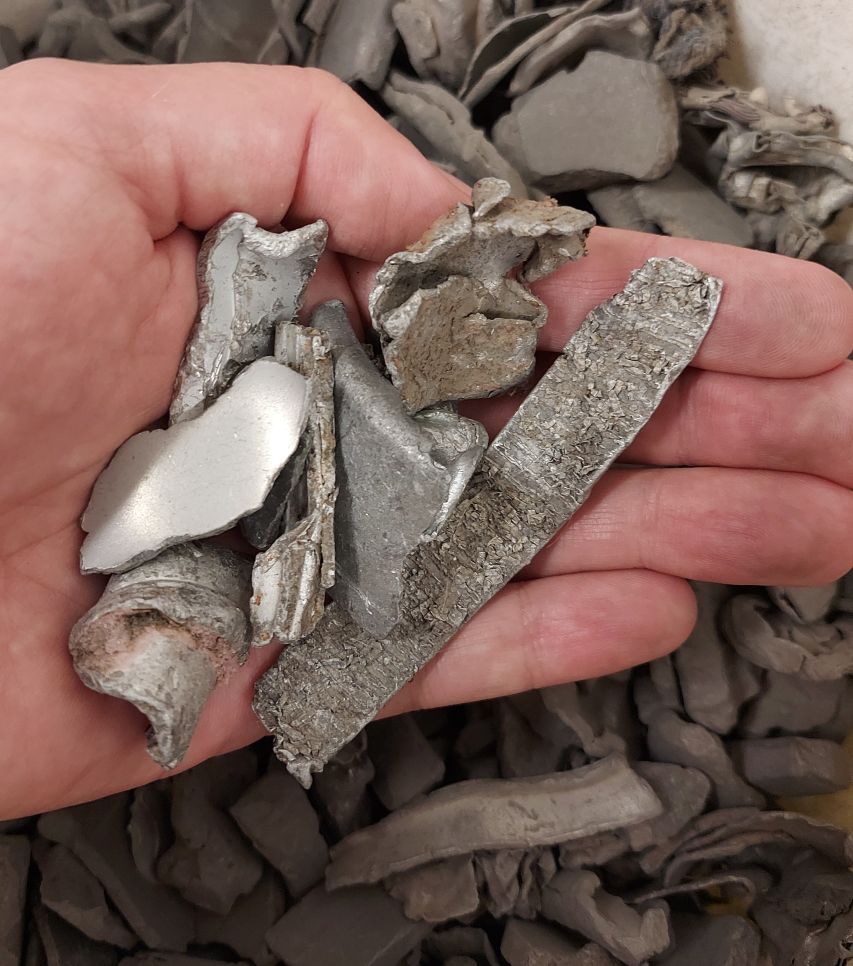
Mixed Scrap

Input

Mixed Scrap

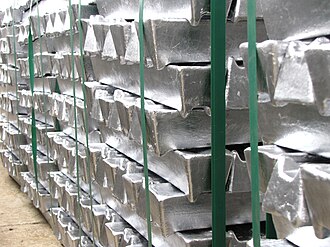
Aluminum Ingots

Output

Furnace-Ready Alloy

The Disconnect

A Multi-Billion Dollar Recycling Opportunity

Currently, aluminum scrap is downcycled because it cannot be sorted effectively, and the industry still relies on high-cost, energy-intensive primary aluminum for high-performance applications like automotive, electrical, aerospace, solar, and construction.

Exported Potential

Millions of tons of mixed U.S. aluminum scrap are exported annually for low-value downcycling because domestic facilities cannot sort it effectively.

The Blind Spot

While sensors like LIBS and XRF can distinguish aluminum alloys, they fail to process high volumes efficiently. This throughput bottleneck leads to the downcycling of scrap into low-value alloys.

Costly Imports

To meet domestic manufacturing demand for specific high-grade alloys, the U.S. is forced to import millions of tons of expensive primary aluminum.

Hardware-Software Synergy

How Reclaim Metals Works

We solve the sorting bottleneck where hardware alone fails by combining proprietary chemical preprocessing with advanced deep-learning vision models.

01

Mixed Scrap Input

Low-value mixed aluminum scrap (Zorba/Twitch) containing visually identical cast and wrought alloys enters the facility.

02

Chemical Fingerprinting

A rapid, low-cost wash chemically reacts with the metal surfaces, "color-coding" them based on their specific internal alloy grades.

03

AI-Powered Vision

Our proprietary Computer Vision models read these distinct color signatures, allowing standard optical sorters to identify thousands of pieces instantly.

04

High-Purity Output

Air knives divert the metal into high-value, furnace-ready alloy batches (95%+ purity), directly displacing high-cost primary aluminum.

The Economics

Unlocking Value Through Speed & Scale

Current laser (LIBS) and X-ray (XRF) sorting technologies must analyze every single piece of scrap individually. This fundamental bottleneck makes them slow and expensive.

By color-coding the metal first, our AI can process entire fields of view simultaneously. This enables existing optical sorters to achieve unprecedented throughput and process the small scrap fractions that legacy hardware misses.

  • Easy Integration to Existing Hardware

    We provide the software; partners build or retrofit the hardware.

  • High-Margin Upgrades

    Enables existing recyclers to upgrade low-value streams into premium alloys.

  • Sorts the Unsortable

    Applicable to smaller scrap sizes (< 4 cm or 1.5 in) where other technologies are simply not applicable.

Performance Comparison

Throughput Speed
RMI Tech
LIBS / XRF
Sorting Precision
LIBS / XRF
RMI Tech
Standard Optical
Cost Efficiency
RMI Tech
LIBS / XRF
Visual representation of normalized performance metrics based on internal testing and industry standards.

Partner in the Circular Economy

Join us in securing a dominant position in smart, AI-powered, and low-cost alloy sorting.

contact@reclaim-metals.com • Richland, WA, USA